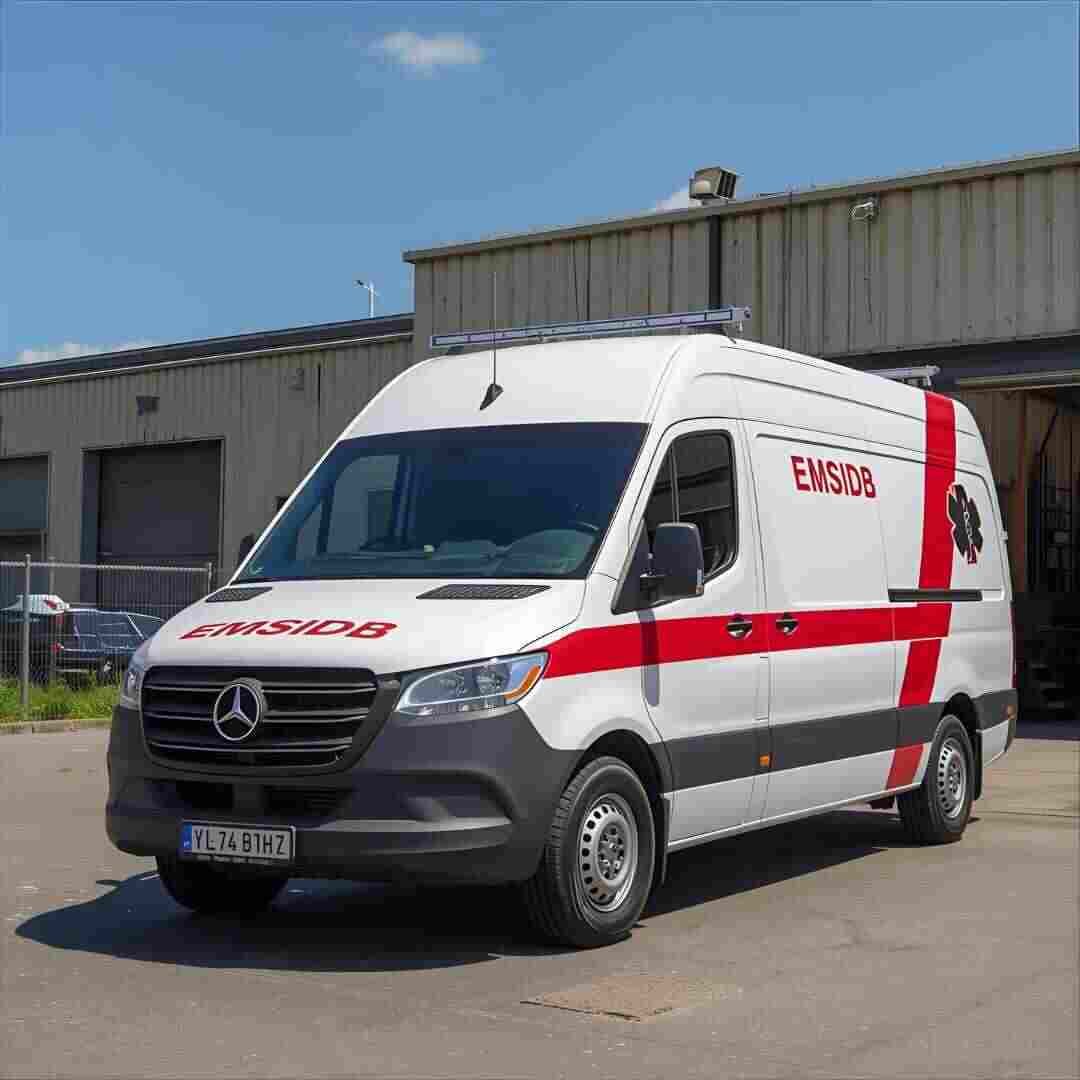
In recent years, the Emsidb medical van has emerged as a powerful solution to bridge healthcare gaps, especially in underserved and remote regions. With rising demand for accessible healthcare services, mobile medical units have become essential in bringing care directly to people who cannot reach hospitals or clinics. The Emsidb medical van stands out for its innovative design, advanced medical equipment, and versatile applications. It represents a transformative step forward in delivering essential healthcare to communities worldwide.
What Is the Emsidb Medical Van?
The Emsidb medical van is a fully equipped mobile healthcare unit designed to provide on-the-go medical services. Built with precision and functionality, it serves as a compact clinic on wheels. These vans are fitted with modern diagnostic tools, examination areas, and basic treatment facilities, allowing healthcare professionals to diagnose, treat, and refer patients without needing a fixed medical center.
One of the key advantages of the Emsidb medical van is its versatility. It can be customized to serve different medical purposes, such as primary healthcare, maternal and child services, diagnostic screening, emergency response, and vaccination drives. Its mobility enables healthcare providers to reach patients in rural villages, disaster zones, or urban slums where traditional infrastructure may not exist.
The Role of Emsidb Medical Van in Expanding Healthcare Access
Access to quality healthcare remains a global challenge, especially in remote or low-income areas. The Emsidb medical van helps close this gap by bringing essential services directly to communities in need. For populations living far from hospitals, these mobile units become their primary source of medical care.
They are particularly effective in:
- Rural outreach programs – Delivering regular check-ups, immunizations, and preventive care.
- Disaster relief efforts – Acting as mobile emergency units during natural disasters or conflicts.
- Public health campaigns – Supporting vaccination drives and health screenings.
- Corporate health services – Providing on-site medical support for large workforces.
By reducing the need for patients to travel long distances, these vans improve early disease detection and timely treatment, ultimately saving lives.
Advanced Features and Equipment in Emsidb Medical Van
The Emsidb medical van is more than just a transport vehicle. It’s equipped with advanced medical technology that transforms it into a functional clinic. Key features often include:
- Examination Room: A private space where doctors can consult and examine patients.
- Diagnostic Tools: Equipment such as blood pressure monitors, ECG machines, and portable ultrasound devices.
- Emergency Supplies: First-aid kits, defibrillators, and oxygen cylinders for urgent care.
- Telemedicine Capabilities: Communication tools that allow remote consultations with specialists.
- Sanitation Systems: Proper waste disposal, sterilization units, and handwashing stations.
These features make the van self-sufficient and capable of handling a wide range of medical needs. Moreover, the interior design focuses on patient comfort, safety, and infection control, ensuring quality care on the move.
Benefits of Deploying Emsidb Medical Van
Healthcare organizations, governments, and NGOs increasingly rely on the Emsidb medical van for its numerous advantages.
- Improved Accessibility: The van brings healthcare directly to communities, eliminating geographical barriers.
- Cost-Effective Solution: It reduces the need for constructing permanent healthcare facilities.
- Rapid Deployment: In emergencies, these vans can be deployed quickly to affected areas.
- Scalable Services: Multiple vans can operate simultaneously to cover larger populations.
- Community Trust: Regular visits build trust between healthcare providers and the communities they serve.
These benefits make the Emsidb medical van an essential part of modern public health strategies, especially in countries with large rural populations.
Emsidb Medical Van in Emergency and Disaster Response
One of the most critical applications of the Emsidb medical van is in emergency response. During natural disasters like floods, earthquakes, or pandemics, access to healthcare becomes even more limited. Mobile medical units step in as life-saving resources, offering immediate medical attention, triage, and basic treatment in the field.
They can also serve as vaccination centers during outbreaks or provide maternal and child health services in refugee camps. Their ability to operate independently and move across difficult terrains makes them indispensable in crisis management.
Supporting Preventive Healthcare and Public Health Initiatives
Beyond emergency care, the Emsidb medical van plays a vital role in preventive healthcare. Regular check-ups, screenings for diseases like diabetes or hypertension, and awareness programs can be conducted right in the communities. This proactive approach helps reduce the burden on hospitals by identifying conditions early and promoting healthier lifestyles.
In many regions, these vans are also used for maternal health check-ups, childhood immunizations, and cancer screenings. They serve as mobile outreach platforms for public health campaigns, contributing to better overall health outcomes.
Customization and Design Flexibility
Another major strength of the Emsidb medical van is its customization potential. Depending on the healthcare provider’s needs, the van can be designed for specific medical purposes. For instance:
- Dental Vans: Equipped with dental chairs and instruments for oral healthcare.
- Laboratory Vans: Contain diagnostic equipment for on-site testing.
- Ophthalmology Vans: Provide eye care and vision screening services.
- Mobile Pharmacies: Distribute essential medicines to remote populations.
This flexibility ensures that the vans are not just multipurpose but also highly targeted for specific healthcare missions.
The Future of Mobile Healthcare Solutions
The demand for mobile healthcare is expected to grow, and the Emsidb medical van will continue to play a significant role. As technology advances, future models will likely feature enhanced telemedicine capabilities, renewable energy systems, and smart diagnostic tools. These improvements will make them even more efficient and environmentally sustainable.
Moreover, partnerships between governments, private organizations, and non-profits can expand the reach of these mobile units, ensuring that quality healthcare becomes a basic right rather than a privilege.
Conclusion
The Emsidb medical van is transforming the way healthcare is delivered, especially in remote and underserved areas. Its mobility, advanced medical features, and versatility make it an indispensable tool for modern healthcare systems. Whether used for routine check-ups, emergency response, or preventive care, these mobile units bridge critical gaps and bring medical services to those who need them most.
As healthcare continues to evolve, the Emsidb medical van represents a future where accessibility, innovation, and patient care go hand in hand. It is more than a vehicle — it’s a moving symbol of hope, health, and progress for communities around the world.

