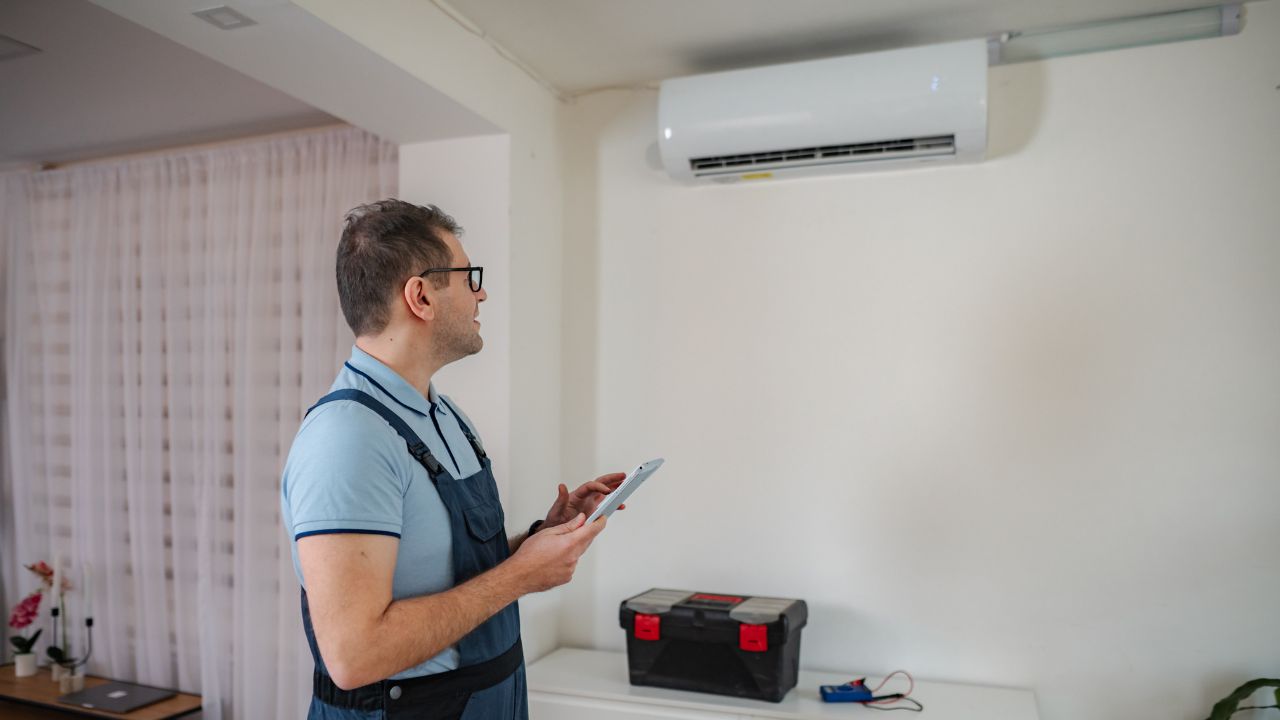
South Texas weather doesn’t really “ease” into a season—it swings. One week you’re running the AC hard, the next you’re reaching for heat in the morning. When your HVAC system is asked to do that much work, the best results come from a plan instead of panic.
Below is a practical, homeowner-friendly guide to keeping your home comfortable through San Antonio’s heat, surprise cold snaps, and everything in between—without turning every temperature change into an emergency.
Why San Antonio HVAC Systems Get Stressed (And What That Means for You)
San Antonio homes often face a triple challenge:
- Long cooling season with high runtime (systems simply operate more hours each year).
- Big temperature swings that force frequent mode changes between cooling and heating.
- Dust, pollen, and humidity that can build up in filters, coils, and ductwork—reducing airflow and efficiency.
The takeaway: you don’t need a “perfect” system to stay comfortable, but you do need consistent upkeep and quick attention to early warning signs.
The Small Habits That Prevent the Big Breakdowns
Most expensive HVAC problems don’t start as big problems. They start as ignored symptoms: a slightly louder unit, a little less airflow, a thermostat that feels “off.” These small routines help you catch trouble early.
Change filters on a schedule, not a guess
A clogged filter can choke airflow, strain the blower motor, and make rooms feel uneven. If you have pets, allergy sensitivities, or heavy dust, filters may need changing more often than you expect, especially since pets and indoor air quality can directly impact filter performance and airflow efficiency.
Quick rule of thumb: set a recurring reminder and check monthly; replace when it looks loaded or airflow noticeably drops.
Keep outdoor units clear
Your outdoor condenser needs room to “breathe.” Leaves, grass clippings, and stored items can trap heat and reduce performance.
- Clear debris around the unit
- Avoid placing objects right next to it
- Gently rinse surface dust (no high-pressure blasting)
Watch energy bills for patterns
A sudden spike can be an early clue—low refrigerant, dirty coils, duct leakage, or a failing component. Bills can rise for many reasons, but “same weather, higher cost” is worth investigating.
A Seasonal Checklist That Actually Matches Local Reality
Instead of a generic calendar, use a “San Antonio-ready” maintenance rhythm: one tune-up before sustained cooling and one before peak heating.
Pre-cooling season: focus on airflow and heat transfer
- Confirm strong airflow at vents
- Listen for new rattles or buzzing
- Make sure the outdoor unit isn’t clogged with debris
- Consider a coil inspection/cleaning if cooling feels weaker than last year
Pre-heating season: prioritize safety and reliability
- Test heat before the first truly cold night
- Note odd smells that don’t fade quickly
- Make sure vents aren’t blocked by rugs or furniture
- If you have a heat pump, verify it transitions smoothly between modes
If you prefer a “set-it-and-forget-it” approach, a structured maintenance program can be helpful—especially when your system is older or your home has persistent hot/cold spots.
Comfort Problems Often Aren’t “The Unit”—They’re the House
Homeowners often assume the HVAC equipment is the issue, when the real culprit is how air moves through the home.
Duct issues can mimic system failure
Leaky, damaged, or poorly balanced ducts can cause:
- Rooms that never match the thermostat
- Weak airflow in certain areas
- Dust buildup that feels nonstop
- Longer run times and higher bills
If comfort varies widely by room, a duct inspection (and targeted sealing or repair) can sometimes deliver bigger improvements than swapping parts.
Insulation and air sealing matter more than most people think
If your home struggles to hold temperature, your HVAC has to “fight the house.” Sealing common leakage points—attic access, door gaps, recessed lighting, and duct connections—can reduce cycling and improve comfort.
Smart Thermostats: Worth It, If You Use Them Right
Smart thermostats can help you manage comfort and costs, but they’re not magic. The biggest wins come from steady scheduling and realistic setbacks.
A few practical tips:
- Avoid extreme temperature swings in your schedule (it can backfire with longer recovery times).
- Use “hold” mode sparingly—constant manual changes usually increase runtime.
- Make sure the thermostat location isn’t distorted by sunlight, kitchen heat, or a drafty hallway.
If you’re not sure whether the issue is programming or performance, a professional check can help separate “settings” problems from mechanical ones.
When It’s Time to Repair vs. Consider Replacement
Nobody wants to replace an HVAC system early. But there’s also a point where repeated repairs and inefficient performance become the expensive option.
Here’s a simple way to think about it:
Repair is often smarter when…
- The system is generally reliable and the issue is isolated
- Comfort has been consistent until recently
- Repair costs are reasonable and not recurring
Replacement becomes more attractive when…
- Breakdowns are frequent or escalating
- Some rooms are always uncomfortable despite repairs
- Cooling/heating performance is inconsistent year to year
- You’re planning renovations and want right-sized equipment
A good contractor should be able to explain options clearly, including what’s causing the issue, what it will take to fix it, and what you can realistically expect afterward.
Picking an HVAC Partner Without Overthinking It
Guest-post advice can’t name your local “best” for everyone, but you can screen providers using practical criteria:
- Emergency availability for those no-cooling/no-heat moments
- Clear diagnostics (they explain what they found and why it matters)
- Preventive mindset (they talk maintenance, airflow, and duct health—not just quick fixes)
- Options for repair, maintenance, and upgrades without pressure
If you want to see how a local, family-operated San Antonio team approaches repairs, maintenance planning, ductwork, and indoor comfort solutions, you can explore cowboysac.com for a helpful reference point while you compare services and decide what fits your home.
A Simple Way to Stay Comfortable All Year
In San Antonio, HVAC success isn’t about having the newest equipment—it’s about making your system’s job easier and maintaining a comfortable indoor environment through proper airflow, maintenance, and temperature control. Change filters, protect airflow, schedule seasonal checkups, and treat uneven temperatures as a clue (often pointing to ducts or insulation).
And if indoor air concerns come up, keep the conversation grounded: improvements to filtration, humidity control, and ventilation can support comfort, but this article is informational only and not medical advice. The best next step is to identify what’s happening in your home and address it with a clear, preventive plan.

