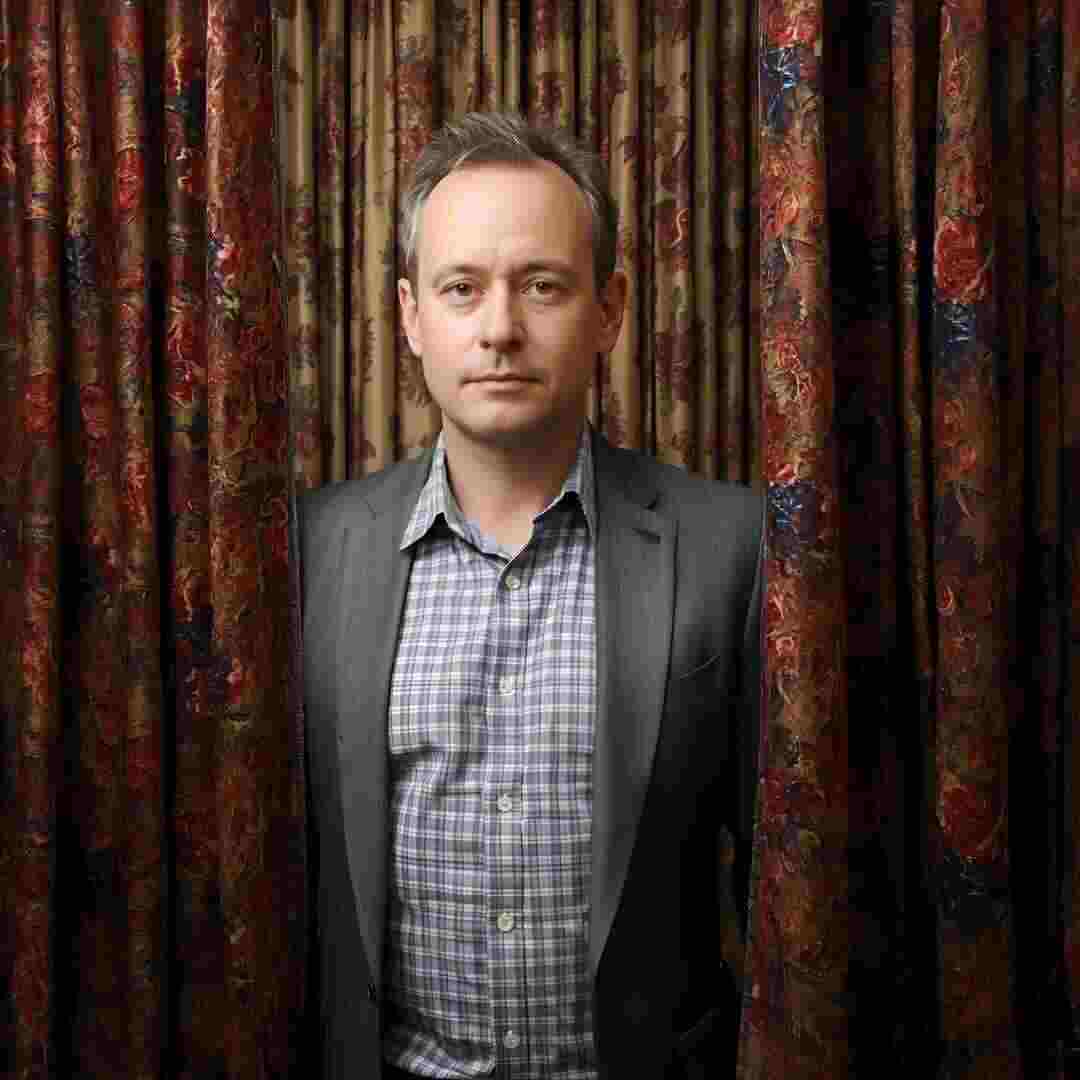
The phrase Jeremy Ranier saw behind the curtain carries a powerful sense of revelation, curiosity, and the search for hidden truths. Throughout history and literature, the metaphor of “the curtain” has symbolized the line between illusion and reality. To claim that someone saw behind it means they uncovered what others could not see. This concept is as much about human perception as it is about mystery, courage, and discovery. Understanding what lies beyond appearances can change the way people view society, leadership, and even themselves.
The Symbolism of the Curtain
When we say that Jeremy Ranier saw behind the curtain, it is not only a literal act but also a symbolic one. Curtains represent barriers, secrets, or controlled narratives. Just as in classic stories where characters pull back a curtain to reveal a hidden truth, this phrase suggests the unveiling of reality. It draws attention to the forces that create illusions and the importance of critical thinking.
The curtain metaphor also applies to power structures. Often, what the public sees is carefully staged. Behind that curtain lies the machinery that drives decisions, influences behavior, and shapes outcomes. Seeing behind it requires awareness, bravery, and sometimes a willingness to confront uncomfortable truths.
The Journey of Discovery
Every story of revelation begins with curiosity. If Jeremy Ranier saw behind the curtain, then his journey likely started with questions. Why do things appear as they do? Who benefits from the illusion? What happens if the truth is revealed? These questions matter in contexts ranging from politics and media to personal relationships.
Discovery is not always easy. Often, the path to uncovering hidden realities involves resistance. People and systems that thrive on secrecy may push back. Yet those who see behind the curtain become agents of awareness. They bring knowledge to light, allowing others to question what they once accepted.
Human Perception and Reality
At its core, the idea that Jeremy Ranier saw behind the curtain speaks to human perception. What we see on the surface may not reflect reality. Social structures, traditions, and even personal habits can create layers of illusion. For example, advertising often presents a polished version of life, but behind that image are real challenges, trade-offs, and imperfections.
By seeing beyond appearances, individuals can make better decisions. They learn to question narratives, evaluate evidence, and seek authenticity. This act of looking deeper is essential in a world where information is abundant but truth is often hidden.
Courage in Revelation
Seeing behind the curtain is only the first step. Sharing what is discovered requires courage. If Jeremy Ranier saw behind the curtain, then he may also have faced the responsibility of speaking out. Revealing hidden truths often comes with risks. History shows countless examples of whistleblowers, reformers, and thinkers who challenged illusions and faced backlash.
Courage in this context is not just about bravery. It is about a commitment to honesty, fairness, and integrity. Those who reveal hidden realities contribute to progress, even if the journey is difficult.
Lessons From the Curtain Metaphor
The story of Jeremy Ranier saw behind the curtain can be seen as a lesson for modern life. It reminds us that appearances are not always reliable. In politics, polished speeches may hide deeper agendas. In business, marketing may mask flaws in products or services. Even in personal life, people may project an image that does not reflect their struggles.
By being willing to look behind the curtain, individuals strengthen their critical thinking. They learn to evaluate information with skepticism and balance optimism with awareness. This habit builds resilience and fosters wisdom.
The Broader Impact of Seeing Behind the Curtain
When one person sees behind the curtain, the effect can extend to many others. If Jeremy Ranier saw behind the curtain, then his insight could inspire people to look beyond surface appearances. In communities, this may mean recognizing the real issues that affect people’s lives rather than accepting superficial explanations.
On a global level, this idea connects to movements that seek transparency, justice, and accountability. Societies thrive when citizens understand how systems work and when leaders are held accountable. Seeing behind the curtain, therefore, is not only personal growth but also a collective responsibility.
The Balance Between Illusion and Reality
While the metaphor of the curtain emphasizes deception, it also highlights the role of imagination. Not all illusions are harmful. Stories, performances, and dreams often involve layers of imagination that enrich life. What matters is knowing when illusion serves creativity and when it hides harmful truths.
Thus, when we reflect on Jeremy Ranier saw behind the curtain, we must balance skepticism with openness. Too much suspicion can lead to cynicism, while too little questioning can lead to manipulation. The balance is found in thoughtful awareness.
Conclusion
The phrase Jeremy Ranier saw behind the curtain invites us to think about perception, truth, and courage. It suggests a moment of revelation where illusion gives way to reality. In life, such moments can transform individuals and societies. They remind us to question appearances, to seek authenticity, and to value transparency.

