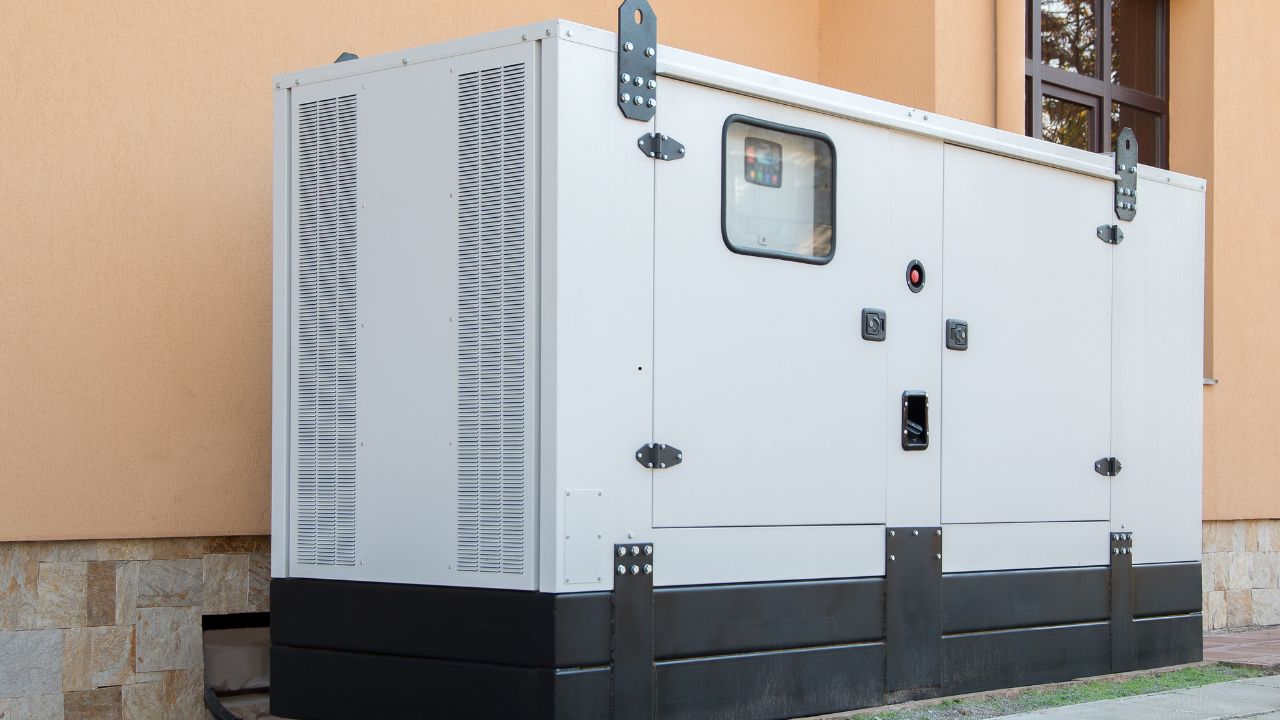
Power outages are no longer rare inconveniences—they’re increasingly common disruptions that can impact homes, businesses, and entire communities. Whether caused by severe weather, grid overload, or infrastructure issues, losing power can halt operations, compromise safety, and create costly downtime. That’s why more property owners are turning to backup generators as a reliable solution for maintaining continuity.
Investing in a backup power system is no longer just about convenience—it’s about preparedness, resilience, and peace of mind.
Understanding the Real Impact of Power Outages
Even short-term outages can have significant consequences. For homeowners, it may mean spoiled food, loss of heating or cooling, and disrupted daily routines. For businesses, the stakes are even higher.
Common Risks of Power Loss
- Operational downtime that leads to lost revenue
- Data loss or system damage for tech-dependent operations
- Safety hazards, especially in medical or industrial environments
- Customer dissatisfaction due to service interruptions
As our dependence on electricity grows, so does the need for reliable backup solutions.
What Is a Backup Generator System?
A backup generator is a secondary power source that automatically or manually provides electricity when the main grid fails. These systems can power essential appliances, full homes, or even large commercial facilities depending on their capacity.
Types of Backup Generators
Standby Generators
Installed permanently and connected to your electrical system, standby generators activate automatically when an outage occurs.
Portable Generators
Smaller and more flexible, these units require manual setup and are typically used for limited power needs.
Inverter Generators
Designed for sensitive electronics, these generators produce cleaner and more stable power output.
Each type serves a different purpose, and selecting the right one depends on your specific needs and usage patterns.
Why Backup Generators Are a Smart Investment
Installing a backup generator offers both immediate and long-term benefits. Beyond keeping the lights on, it helps protect your property and maintain normalcy during unexpected events.
1. Uninterrupted Power Supply
A backup generator ensures that essential systems—like refrigeration, HVAC, and security—continue running without interruption.
2. Protection for Critical Equipment
Sensitive electronics and machinery are less likely to be damaged when power transitions are smooth and controlled.
3. Increased Property Value
Homes and commercial properties with backup power systems are often more attractive to buyers and tenants.
4. Peace of Mind
Knowing that you’re prepared for outages reduces stress and uncertainty, especially during extreme weather events.
Key Factors to Consider Before Installation
Choosing the right generator system involves more than picking a model—it requires thoughtful planning and professional assessment.
Load Requirements
Determine how much power you need to support essential systems versus whole-building coverage.
Fuel Type
Generators can run on natural gas, propane, or diesel. Each option has its own advantages in terms of availability, cost, and maintenance.
Installation Location
Proper placement is critical for safety, ventilation, and compliance with local regulations.
Maintenance Needs
Regular maintenance ensures that your generator performs reliably when it’s needed most.
The Importance of Professional Installation
While some smaller generators can be set up independently, most backup systems—especially standby units—require professional installation. This ensures proper integration with your electrical system and compliance with safety codes.
For property owners considering backup generator installation San Jose, working with experienced professionals can make a significant difference. From assessing your energy needs to handling permits and installation, expert guidance ensures your system is both effective and reliable.
Backup Generators and Modern Energy Demands
Today’s energy landscape is changing rapidly. With the rise of electric vehicles, smart homes, and remote work, the demand for consistent power has never been higher.
Backup generators are evolving to meet these needs by offering:
- Smart monitoring systems are becoming more advanced, and modern infrastructure now depends on resilient networking setups like PoE managed switches used in demanding environments
- Automatic load management to prioritize critical systems
- Integration with renewable energy sources like solar panels
- Quieter and more efficient operation compared to older models
These advancements make modern generators more user-friendly and adaptable than ever before.
When Should You Consider Installing One?
If you’re unsure whether a backup generator is right for you, consider the following scenarios:
- You live in an area prone to storms or grid instability
- You rely on electricity for work, healthcare, or essential services
- You own a business where downtime impacts revenue
- You’re upgrading or renovating your property
Planning ahead allows you to avoid the stress and cost of emergency solutions.
Conclusion
Power outages are unpredictable, but your response to them doesn’t have to be. A well-designed backup generator system provides the reliability and security needed to keep life and business running smoothly, no matter the circumstances.
By investing in a professionally installed solution, you’re not just preparing for the next outage—you’re building resilience for the future. Whether you’re safeguarding your home or ensuring business continuity, backup power is a practical and forward-thinking choice that delivers lasting value.

