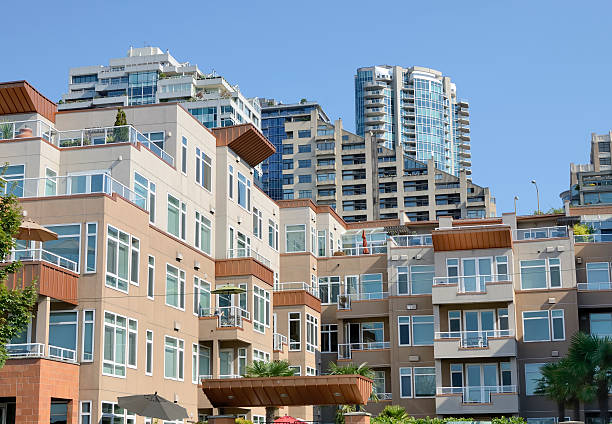
Property owners in the Bay Area face a unique mix of design expectations, space limitations, and environmental considerations. From compact urban lots to hillside homes and commercial spaces with high visibility, exterior construction needs to be both attractive and built to last. Masonry remains one of the most dependable ways to achieve that balance.
Brick, block, stone, and concrete masonry can support a wide range of projects, including retaining walls, patios, walkways, outdoor kitchens, garden walls, and commercial hardscape features. When these elements are designed carefully, they do more than improve appearance. They help shape how a property functions every day.
Masonry Works Well Across Different Property Types
One of the main advantages of masonry is its flexibility. It can be used in residential, commercial, and mixed-use settings without looking out of place. A brick entryway can add warmth to a traditional home, while clean concrete block walls can support a modern commercial design.
For homeowners, masonry often improves curb appeal and outdoor usability. For businesses, it can create durable walkways, seating areas, exterior walls, and landscape features that hold up well under frequent use.
Common masonry applications include:
- Retaining walls for sloped landscapes
- Stone or paver patios
- Brick and block privacy walls
- Outdoor fireplaces and fire pits
- Commercial courtyards and walkways
- Decorative garden borders
- Structural block walls
Because masonry can be customized by color, texture, pattern, and material, it works well for properties with very different architectural styles.
Durability Is a Practical Advantage
Bay Area properties can be exposed to moisture, shifting temperatures, dense foot traffic, and site-specific soil conditions. Outdoor improvements need to be built with these realities in mind.
Masonry materials are valued because they can withstand long-term exposure better than many lighter construction options. Properly installed brick, block, concrete, and stone features resist wear, hold their form, and require relatively modest maintenance over time.
This durability is especially important for high-use areas such as:
- Front walkways
- Driveway borders
- Commercial entrances
- Patio surfaces
- Retaining walls
- Outdoor seating areas
A well-built masonry feature should not feel temporary. It should become a lasting part of the property’s structure and visual identity.
Retaining Walls Require Careful Planning
Retaining walls are one of the most important masonry projects for properties with slopes, elevation changes, or drainage challenges. While they may appear simple from the outside, retaining walls must be designed to manage soil pressure and water movement.
Poorly built retaining walls can crack, lean, or fail over time. Proper construction requires attention to footing depth, reinforcement, drainage, backfill, and wall height.
Drainage Is Critical
Water pressure behind a wall can create serious stress. Drainage systems help reduce that pressure and protect the wall from long-term damage.
Reinforcement Adds Stability
Depending on the project, steel reinforcement, concrete footings, and grouted block cells may be needed to strengthen the wall.
Design Should Match the Landscape
A retaining wall should solve a structural problem while also fitting naturally into the surrounding outdoor space.
For these reasons, many property owners look for an experienced masonry contractor serving the Bay Area when planning projects that need both technical skill and a polished final appearance.
Masonry Can Improve Outdoor Living
Outdoor living areas continue to be a priority for many homeowners. Even smaller yards, side spaces, and terraces can become more useful with thoughtful masonry design.
A paver patio can create a stable surface for dining. A stone seating wall can define a gathering area. A fire feature can make a backyard more inviting during cooler evenings. Walkways can improve movement through the property while protecting landscaping from foot traffic.
Masonry helps organize outdoor areas by creating clear zones for different activities. Instead of a yard feeling unfinished or underused, hardscape elements can make the space feel intentional and complete.
Commercial Properties Benefit from Low-Maintenance Materials
For commercial properties, exterior surfaces need to handle regular use while still looking professional. Masonry is often a smart choice because it combines strength with a clean, established appearance.
Brick and block features can be used for storefronts, seating areas, planters, perimeter walls, and pedestrian paths. These elements can help guide traffic, define outdoor spaces, and improve the overall impression of a business property.
Low maintenance is another major advantage. Commercial property managers often prefer materials that do not require frequent repainting, replacement, or repair. Masonry still needs inspection and occasional upkeep, but it is generally known for long service life when installed correctly.
Material Selection Shapes the Final Result
Choosing the right masonry material is about more than appearance. Each option has different strengths and best-use cases.
Brick
Brick provides a classic look and works well for walls, facades, walkways, and decorative accents.
Concrete Block
Concrete masonry units are strong, practical, and commonly used for structural walls, retaining walls, and commercial applications.
Natural Stone
Natural stone offers a premium, organic appearance that works well in patios, garden walls, and custom landscape features.
Pavers
Pavers are versatile and useful for patios, walkways, pool surrounds, and driveways.
The right choice depends on the property’s style, budget, maintenance expectations, and structural needs.
Quality Installation Prevents Future Problems
Most masonry failures are not caused by the material itself. They usually result from poor preparation, weak foundations, improper drainage, or rushed installation.
Before starting a project, a qualified contractor should consider:
- Soil stability
- Drainage patterns
- Load requirements
- Surface grading
- Material compatibility
- Local construction standards
- Long-term maintenance needs
Skipping these steps can lead to cracking, settling, water damage, or uneven surfaces. Careful installation may take more planning upfront, but it usually saves property owners from expensive repairs later.
Maintenance Helps Preserve Masonry Features
Masonry is durable, but it is not completely maintenance-free. Routine care can extend the life of outdoor features and keep them looking their best.
Simple maintenance steps include removing debris, checking for cracks, watching for drainage issues, and addressing damaged mortar joints before they worsen. Sealing may also be appropriate for certain materials and locations.
Regular inspection is especially helpful after heavy rain, landscaping changes, or nearby construction activity. Small repairs are often easier to manage when caught early.
Conclusion
Masonry remains a reliable choice for Bay Area properties because it offers strength, visual appeal, and long-term functionality. Whether the goal is building a retaining wall, upgrading a patio, improving a commercial exterior, or creating a more organized outdoor space, masonry can provide lasting results when installed with care.
The best projects begin with thoughtful planning, suitable materials, and skilled craftsmanship. By focusing on durability as well as design, property owners can create outdoor and structural features that support everyday use while adding lasting value to the property.