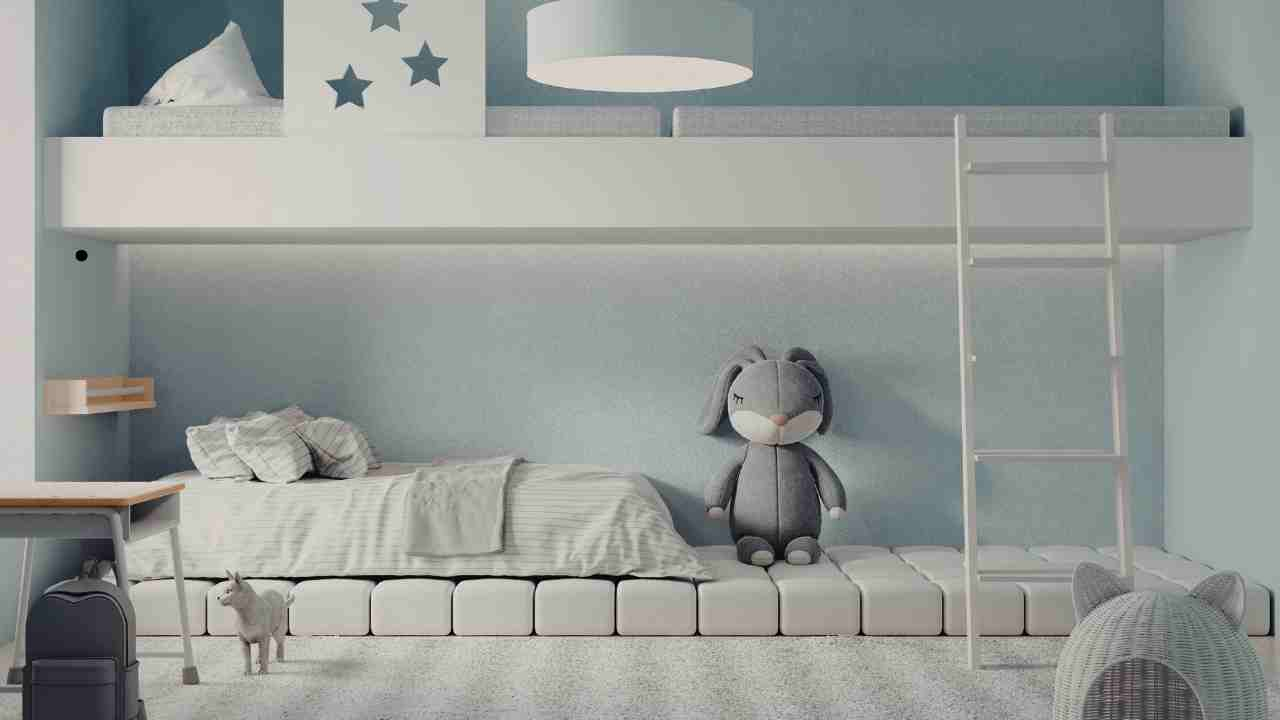
The transition from a crib to a bed is a significant milestone in early childhood development, often marked by a shift in how a child interacts with their physical environment. While traditional raised frames with safety rails have been the standard for decades, the floor bed—a concept popularized by the Montessori educational method—has gained significant traction among child development experts and parents alike.
To understand why this minimalist approach is more than just a design trend, one must look at the intersection of pediatric safety and the psychological need for autonomy.
The Psychology of the Prepared Environment
At the core of the floor bed philosophy is the concept of the “prepared environment.” In a traditional nursery, a crib acts as a container. While it provides safety, it also creates a boundary that requires adult intervention for a child to enter or leave.
A floor bed removes this physical barrier. By placing the sleeping surface close to the ground, the child is granted freedom of movement. This autonomy fosters self-reliance. When a child wakes up and can independently move to a rug to play with books or toys, they begin to develop a sense of agency over their own schedule and body. This shift from “being moved” to “moving myself” is a fundamental building block of confidence in toddlers, similar to how techniques focused on supporting mental and behavioral development can positively influence long-term emotional well-being.
Safety and the Low-Profile Design
From a purely practical standpoint, the primary concern for parents transitioning a child out of a crib is the risk of falls. Standard toddler beds or “big kid” beds often require the addition of mesh rails or bumpers to prevent nighttime tumbles.
A floor bed eliminates the “fall height” variable entirely. Even if a child rolls off the mattress during the night, the distance to the floor is negligible. This design allows the entire room to become the safety zone rather than just the bed itself. For this reason, adopting a floor bed often goes hand-in-hand with “total room childproofing,” ensuring that all furniture is anchored and no small hazards are within reach.
Supporting Healthy Sleep Hygiene
There is often a misconception that giving a child the freedom to leave their bed will result in them never sleeping. However, many practitioners find the opposite to be true. When the bed is not a place of confinement, the “power struggle” often associated with bedtime is diminished.
The floor bed encourages a child to listen to their own internal cues. If they are not yet tired, they may play quietly in their room until they feel the urge to sleep, at which point they can return to their mattress on their own. This helps established a healthy, intrinsic relationship with sleep rather than viewing bedtime as a forced separation from the family.
Material and Airflow Considerations
When selecting a floor bed, the focus should be on the quality of construction and the health of the sleep environment. Because the mattress sits low to the ground, a frame that incorporates slats is essential. Slats allow for proper air circulation beneath the mattress, preventing the buildup of moisture and allergens.
Using solid, knot-free woods like pine ensures that the structure remains stable and durable without the use of heavy chemical adhesives or unstable composite materials. This focus on natural materials complements the minimalist aesthetic while providing a sturdy foundation for a growing child.
Conclusion
The move to a floor bed is a shift in perspective. It moves the focus from parental control to child empowerment. By providing a safe, accessible, and high-quality sleeping environment, parents can support their child’s natural desire for independence while ensuring a secure night’s rest. It is a simple design choice that has a profound impact on a child’s daily experience of their own home.

