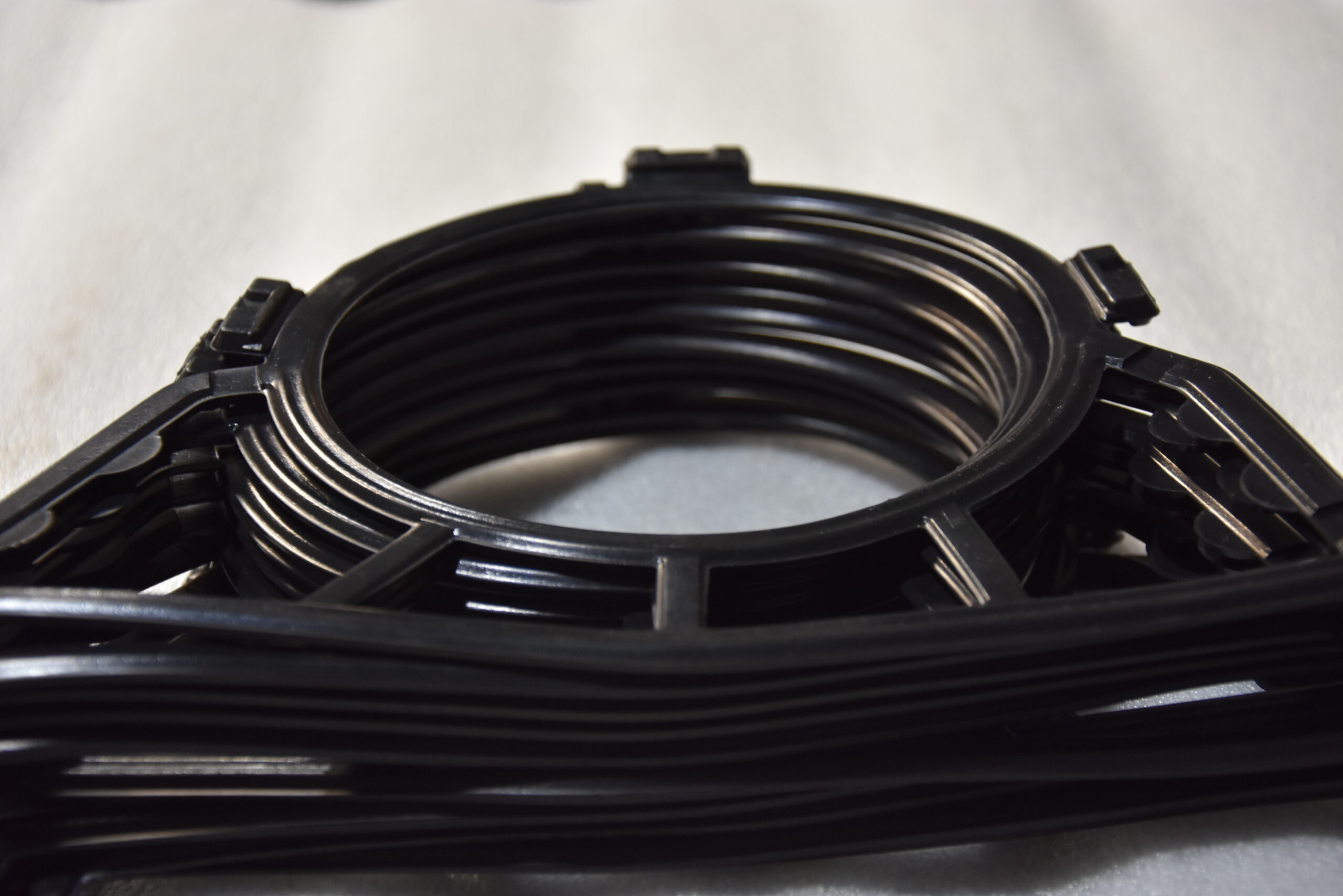
When selecting the best gasket material for your plate heat exchanger (PHE), it’s essential to understand the factors that affect gasket performance and durability. The gasket plays a crucial role in sealing the plates, ensuring no leakage occurs, and maintaining the efficiency of heat transfer.
The right gasket material enhances the overall performance of your PHE, offering optimal heat transfer, corrosion resistance, and long-lasting durability. Before diving into gasket materials, it’s important to recognize the different types of heat exchangers, as they each have distinct operational needs that influence gasket selection. In this article, we will explore the key gasket materials commonly used in plate heat exchangers, their pros and cons, and how to choose the right one for your specific application.
What is a Plate Heat Exchanger?
A plate heat exchanger is a highly efficient system used for transferring heat between two fluids, typically in industries such as food and beverage, HVAC, chemical processing, and power generation. It consists of multiple metal plates that form channels through which the fluids flow. Gaskets are placed around the edges of these plates to prevent leakage and ensure that the fluids do not mix, maintaining the system’s integrity and efficiency.
Why is the Gasket Material Important?
The gasket material is a critical component in a PHE, as it ensures the integrity of the heat exchanger by preventing leaks. The material you choose needs to be resistant to the chemicals, temperature extremes, and pressure variations your system will encounter. In addition to leakage prevention, the gasket’s performance also influences the heat transfer efficiency, as poor gasket materials can lead to energy losses and maintenance issues.
Common Gasket Materials Used in Plate Heat Exchangers
Several materials are used for manufacturing gaskets in plate heat exchangers. The best gasket material depends on the operating conditions such as temperature, pressure, and the fluids involved. Below, we’ll explore some of the most common materials:
1. Nitrile Butadiene Rubber (NBR)
Nitrile rubber is one of the most widely used gasket materials in plate heat exchangers. It provides excellent resistance to oil, fuels, and some chemicals, making it ideal for industries such as automotive, petrochemical, and food processing.
- Pros:
- Good resistance to oils and fuels.
- Affordable and easy to handle.
- Performs well in temperatures up to 120°C (248°F).
- Cons:
- Not suitable for high-temperature applications.
- Limited chemical resistance to certain acids and solvents.
Best For: NBR is typically best for applications where oil and fuel resistance are critical, but temperatures do not exceed medium levels.
2. Ethylene Propylene Diene Monomer (EPDM)
EPDM is a synthetic rubber material known for its excellent resistance to heat, ozone, weathering, and chemicals. EPDM gaskets are highly effective in applications where high-temperature resistance is needed, and the fluids involved are typically water-based.
- Pros:
- Excellent resistance to heat, ozone, and weathering.
- High chemical resistance, especially to acids and alkalis.
- Suitable for a wide range of temperatures, from -50°C to 150°C (-58°F to 302°F).
- Cons:
- Not compatible with oils, hydrocarbons, or solvents.
Best For: EPDM is best suited for applications involving hot water, steam, or non-oily fluids, particularly in the chemical or pharmaceutical industries.
3. Polytetrafluoroethylene (PTFE)
PTFE, also known as Teflon, is a high-performance material known for its exceptional chemical resistance and high-temperature tolerance. PTFE gaskets are often used in highly aggressive environments where other materials might fail.
- Pros:
- Excellent chemical resistance, including acids, alkalis, and solvents.
- High-temperature resistance up to 260°C (500°F).
- Low friction properties, improving sealing performance.
- Cons:
- More expensive compared to rubber-based materials.
- Can be less elastic and more prone to tearing under mechanical stress.
Best For: PTFE is ideal for aggressive chemical processes or high-temperature applications where other gasket materials may fail.
4. Compressed Fiber Gaskets (Asbestos-Free)
Compressed fiber gaskets are a combination of fibers and elastomers designed to offer excellent resistance to high temperatures and pressures. These gaskets are often used in industries where high mechanical strength is required.
- Pros:
- Good resistance to high temperatures and pressures.
- Versatile and can be tailored to specific chemical environments.
- Durable and cost-effective.
- Cons:
- Not suitable for all chemical environments.
- Limited temperature resistance compared to PTFE or rubber-based gaskets.
Best For: Compressed fiber gaskets are best for general industrial applications where high pressure and moderate temperature resistance are necessary.
5. Silicone Rubber
Silicone rubber is known for its high-temperature resistance and flexibility, making it suitable for both low and high-temperature applications. It also provides good resistance to ozone and UV light.
- Pros:
- Excellent high-temperature resistance (up to 230°C or 446°F).
- Flexible and can maintain its integrity over long periods.
- Cons:
- Poor chemical resistance compared to EPDM or PTFE.
- Can be more expensive than standard rubber gaskets.
Best For: Silicone rubber is suitable for applications involving hot water, steam, or other heat-sensitive fluids where flexibility and sealing performance are needed.
How to Choose the Right Gasket Material for Your Plate Heat Exchanger
Choosing the right gasket material involves evaluating several factors related to the operating conditions of your plate heat exchanger. Here are some key considerations:
1. Temperature and Pressure Range
The gasket material must withstand the temperature and pressure limits of your application. For high-temperature operations, PTFE or silicone rubber are often the best options, while for moderate conditions, NBR or EPDM may be sufficient. Additionally, understanding the electrical and mechanical systems involved in such applications is crucial, as they may impact overall performance. For more insight into how voltage systems interact with industrial equipment like plate heat exchangers, read this detailed guide on Understanding High, Medium, and Low Voltage Systems.
2. Chemical Compatibility
Consider the fluids passing through the plate heat exchanger. If you are dealing with aggressive chemicals, PTFE is the best choice. For water-based or oil-free fluids, EPDM or NBR may work better.
3. Mechanical Stress
If your heat exchanger is subject to high mechanical stress or vibration, choose a material with good elasticity and durability, such as silicone rubber or compressed fiber.
4. Cost Considerations
PTFE and silicone rubber are higher in cost but offer superior performance under extreme conditions. If your application involves moderate pressures and temperatures, NBR or EPDM may provide a more economical solution.
Conclusion
Selecting the best gasket material for your plate heat exchanger depends on a range of factors, including temperature, pressure, chemical resistance, and cost. By understanding the benefits and limitations of each material, you can make an informed decision that ensures long-lasting and efficient performance for your heat exchanger. Always consult with a professional or manufacturer to determine the best material suited to your unique operating conditions.

