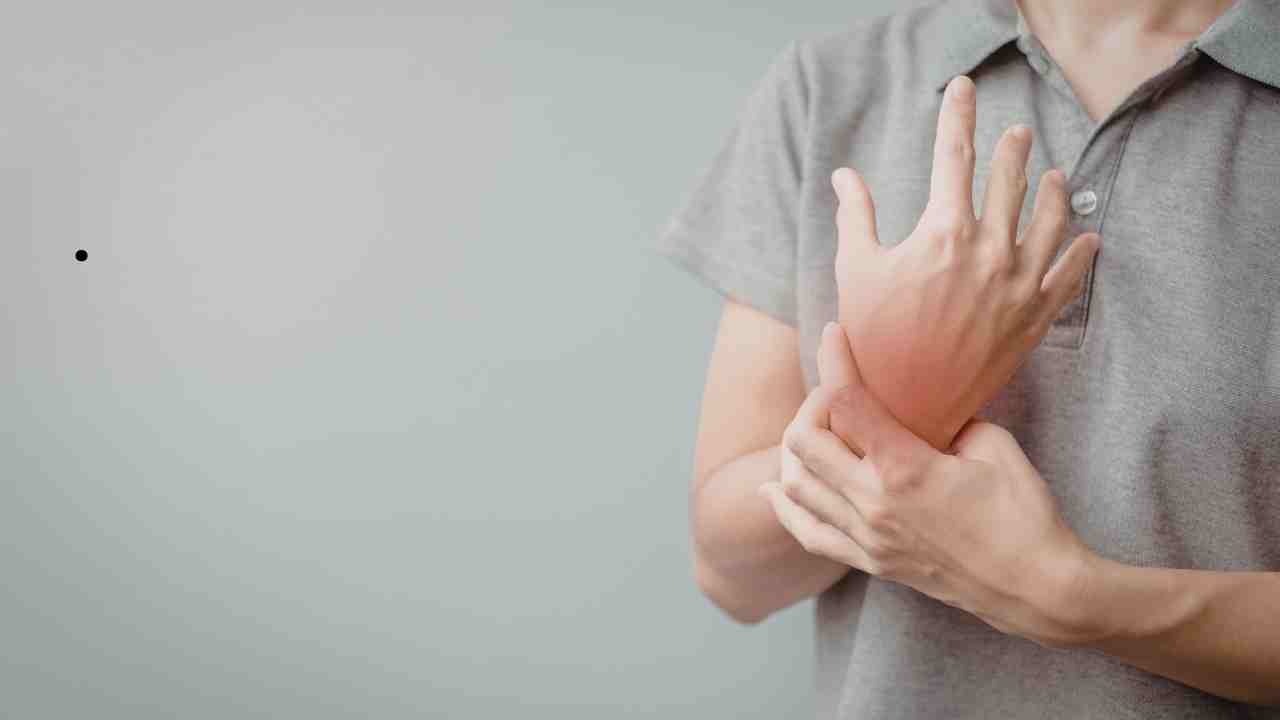
Accidents are often described as sudden events—but their impact is rarely limited to a single moment. In reality, one of the biggest changes people face after an injury is the disruption of their normal routine.
In Oklahoma, where daily life often revolves around work schedules, commuting, family responsibilities, and community involvement, even a minor injury can throw off an entire rhythm. For those trying to understand how these disruptions are considered in personal injury cases, consulting an experienced Oklahoma Personal Injury Lawyer can help explain how lifestyle changes are evaluated under state law.
The Hidden Impact of Routine Disruption
Routines provide structure. They help people manage time, responsibilities, and expectations. After an injury, that structure can change almost immediately.
Common disruptions include:
- Missing work or adjusting schedules
- Cancelling regular activities
- Changing daily habits due to physical limitations
- Relying on others for basic tasks
These changes can feel small at first but often build over time, especially in cases involving brain injuries and long-term cognitive impact, where even simple daily routines can become challenging.
Morning-to-Night Changes
An injury can affect nearly every part of the day, from morning routines to nighttime rest.
For example:
- Getting ready in the morning may take longer
- Commuting may become difficult or impossible
- Work tasks may require adjustments
- Sleep patterns may be disrupted due to discomfort
These day-to-day shifts can gradually reshape how someone experiences their routine.
Work-Life Balance Gets Altered
Many people structure their day around work, but injuries can disrupt that balance.
Possible changes include:
- Reduced working hours
- Needing frequent breaks
- Transitioning to lighter duties
- Taking extended time off
Even temporary changes can create long-term adjustments in how work fits into daily life.
Social and Personal Activities Take a Back Seat
Injuries often affect more than just responsibilities—they can also impact enjoyment and social interaction.
This may involve:
- Missing gatherings or events
- Pausing hobbies or fitness routines
- Avoiding activities that require physical effort
- Limiting travel or outings
These changes can affect both physical and emotional well-being.
Increased Dependence on Others
After an injury, people may need help with tasks they previously handled on their own.
This might include:
- Transportation to appointments
- Assistance with household chores
- Help with childcare or errands
This shift can be difficult, especially for those used to being independent.
Adapting to New Habits
Over time, individuals often begin to adapt to their new circumstances.
This can involve:
- Creating new routines around recovery
- Adjusting expectations for daily tasks
- Finding alternative ways to stay productive
These adjustments help people regain a sense of control, even when things have changed.
Why Routine Disruption Matters
Routine disruption is not always visible, but it reflects how deeply an injury can affect everyday life.
It highlights:
- The loss of normalcy
- The need for adjustment
- The broader impact beyond physical injury
Understanding this aspect provides a more complete view of what recovery truly involves.
Final Thoughts
Personal injuries in Oklahoma don’t just affect the body—they affect how life is lived day to day. From disrupted schedules to changes in independence and social life, the impact often goes far beyond the initial incident.
Recognizing how routines are affected helps bring attention to the real-life challenges individuals face after an injury. It’s not just about recovery—it’s about rebuilding a sense of normalcy in everyday life.

